Nobody wants to read a blog post about file naming. We know that. But if you've ever spent 15 minutes looking for 'that version of the proposal, the one with the updated pricing, not the one Sarah edited, the other one' then you already know why this matters.
File naming is the single most underrated productivity habit in any creative business. It costs nothing. It takes no technical skill. And it will save you hundreds of hours over the life of your business.
Why file names decay
It starts innocently. You save a file as 'proposal.docx.' Then there's a revision: 'proposal-v2.docx.' Then feedback: 'proposal-v2-final.docx.' Then more feedback: 'proposal-v2-final-ACTUAL.docx.' Six months later, you have a folder with 14 files and no clear way to tell which one is current.
This happens because people name files in the moment, without thinking about how they'll search for them later. The file name makes sense when you save it. It makes no sense three weeks later.
The naming convention that works
We use a simple format for everything: date-client-project-version. For example: 2026-04-acme-brand-guidelines-v3.pdf. This convention has four advantages. Files sort chronologically by default. You can find any file by searching for the client name. The version number is always in the same place. And you never have to guess which file is newest because the date tells you.
For internal files without a client: date-project-description-version. Example: 2026-04-marketing-agent-roadmap-v1.md.
For creative assets: client-assettype-variant-dimensions. Example: acme-social-facebook-1080x1080.png.
The rules
- Always use lowercase.
- Always use hyphens, never spaces or underscores.
- Never use 'final' in a file name (there's always another final).
- Always include a version number.
- Never include personal names (they don't help you find the file later).
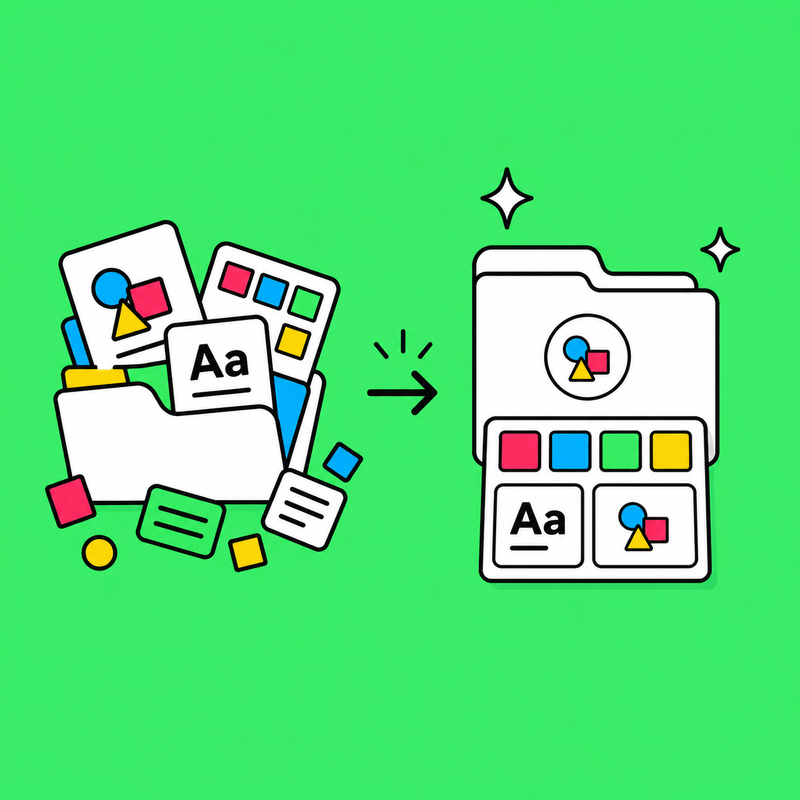
- Delete old versions regularly. A tidy folder with five files is more useful than an archive with fifty.
Get your team to actually do it
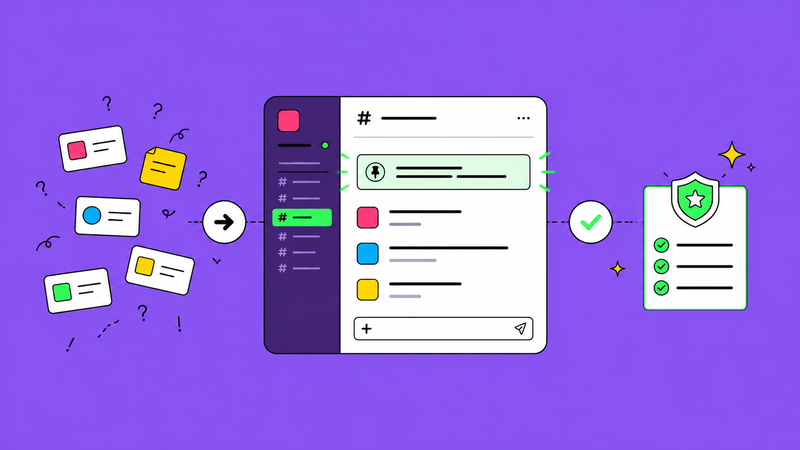
The hardest part isn't creating the convention. It's getting people to follow it. Three things help. First, document the convention in one page and pin it in your team's Slack channel. Second, rename any incorrectly named file the moment you see it. Consistency breeds consistency. Third, make it part of onboarding. New team members learn the convention in their first week, not their first month.