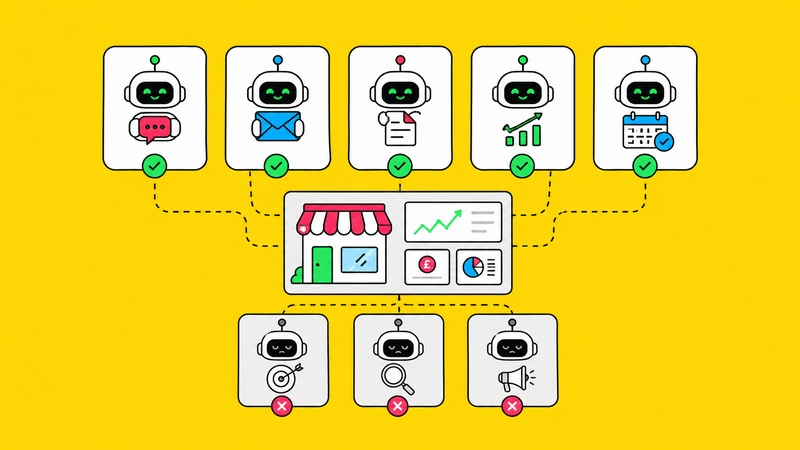
We've been integrating AI into our agency workflows since early 2024. We've tested dozens of tools. Most of them ended up being solutions looking for problems. Here's what actually stuck, what didn't, and why.
What we use
Claude (Anthropic) is our primary AI tool for content strategy, process documentation, and internal operations. We use it daily for everything from drafting blog content frameworks to building internal tools. Its reasoning quality is consistently better than the alternatives for complex, multi-step tasks. We chose it because it handles nuance well and doesn't produce the kind of generic, hedging copy that makes AI-generated content obvious.
ChatGPT Plus is our secondary tool, mainly for quick research, brainstorming, and client-facing demonstrations. The browsing capability is useful for real-time research, and the custom GPT feature lets us build lightweight tools for clients. We use it less for actual content production and more as a utility tool.
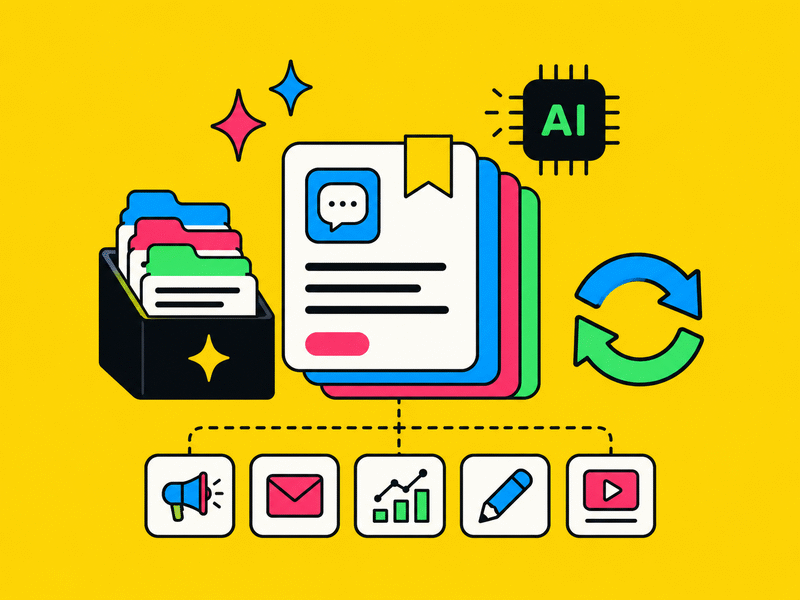
Anthropic's API with web search powers our marketing intelligence agent, which monitors competitors and generates content ideas. It runs locally and gives us a daily digest of what's happening in the design subscription market. This saves roughly three hours per week that would otherwise be spent manually scanning competitor websites and social feeds.
Claude Code is our internal development tool for building and maintaining custom systems. We use it for our lead generation pipeline and marketing agent. It's genuinely changed how quickly we can build and iterate on internal tools. What would have taken a developer a week to build takes a day.
What we dropped
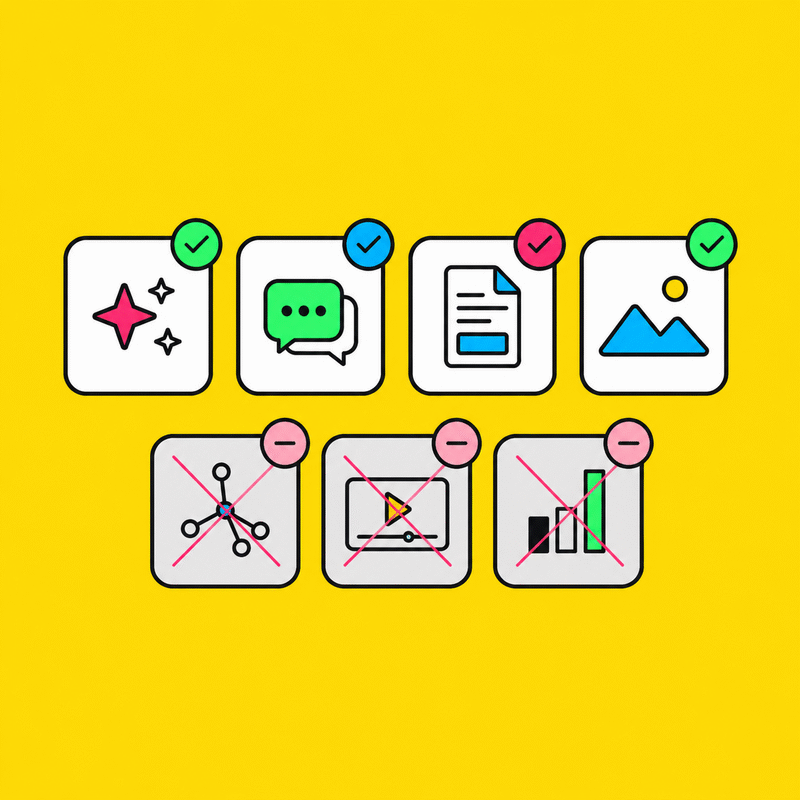
Midjourney was exciting when we first tested it, but the output was never consistent enough for client work. Every image required extensive prompting and dozens of variations to get something usable. For the time it took, we were better off briefing a real designer. We still think AI image generation has a future in design workflows, but it's not there yet for production-quality brand work.
Jasper was pitched to us as the ultimate marketing copy tool. In practice, it produced generic, SEO-stuffed content that sounded like every other AI tool's output. The templates were rigid. The 'brand voice' training feature was superficial. We cancelled after two months.
Notion AI was a nice idea, bolting AI directly into our workspace. But the quality of the output was noticeably weaker than using Claude or ChatGPT directly. It felt like a feature bolted on to justify a price increase rather than a tool designed to solve a real problem. We turned it off and went back to using Claude for the same tasks.
Our principles for AI tool adoption
First, the tool must save more time than it takes to manage. If you spend 20 minutes prompting a tool to produce something you could have written in 10, it's not helping. Second, AI should never touch client-facing creative work directly. We use it for process, strategy, research, and internal systems. All creative deliverables are human-made. Third, fewer tools, used deeply, beats many tools used superficially. We'd rather master two platforms than dabble in ten.